
Orange bread is one of those baked goods that surprises you. It looks like a simple loaf, but from the first slice, you get a burst of fresh citrus, rich buttery texture, and just the right amount of sweetness. Whether you eat it warm for breakfast or glaze it for dessert, this bread always feels like a treat.
Let’s begin with the story behind this bright, tender loaf.
The Story Behind Orange Bread
A citrus loaf that feels like sunshine in every slice
There’s something comforting about the smell of oranges baking in the oven. The scent is sharp yet soft, fresh but warm. I first made orange bread on a quiet Saturday morning after spotting a few too many oranges in the fruit bowl. Rather than let them sit, I zested and juiced them, not entirely sure what would come of it.
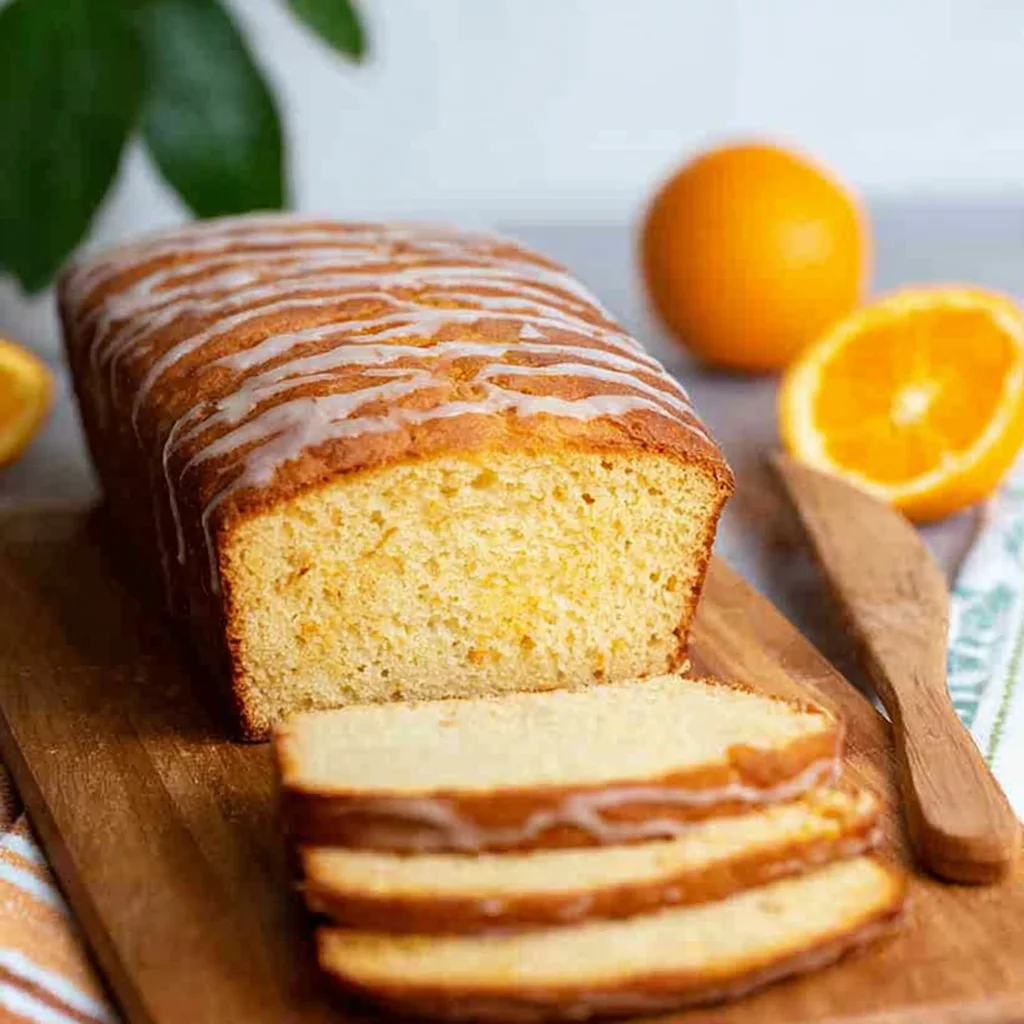
What came out of the oven was a golden loaf with a sugary citrus crust and a rich crumb that held together just right. The orange flavor was clear but not too strong. A mix of zest, fresh juice, and vanilla yogurt gave it a mellow brightness. And once I spooned a simple syrup over the warm loaves, the edges soaked it in like sponge cake. Each slice stayed moist for days.
I served it as breakfast with coffee, then later as a dessert topped with whipped cream. It worked both ways. That’s the beauty of orange bread. It’s unfussy but special. Easy to freeze, easy to share, and just sweet enough to feel indulgent.
What makes orange bread stand out?
Orange bread is not just a loaf with citrus added. It’s a carefully balanced bake where the butter gives body, the yogurt gives tenderness, and the orange juice cuts through the richness with clean flavor. It’s denser than cake, but softer than most quick breads. The glaze adds a final touch without overpowering the loaf.
If you’re wondering what kind of oranges are best for orange loaf, navel oranges or juice oranges like Valencia work well. They provide plenty of zest and balanced sweetness. You’ll want the freshest juice and the brightest zest for the best flavor.
Coming up next, we’ll walk through the method to create this loaf step by step, from mixing to baking to glazing.


Orange Bread
Ingredients
Method
- Cream butter and 2 cup sugar in a mixer for 5 minutes. On medium speed, beat in eggs, one at a time. Add orange zest from all 4 oranges (about 1/3 cup).
- In large bowl, mix flour, baking powder, soda, and salt. In another bowl, mix 1/4 cup OJ (juice of 1 orange), yogurt and vanilla. Add flour and yogurt mixtures alternately to mixer in 3 additions.
- Pour into two greased loaf pans. I line my pans with parchment paper on the bottom, then grease pan. Bake in a 350 degree oven for 45-55 minutes.
- While bread is baking, cook remaining 1/2 cup sugar with 1/2 cup OJ (juice of 2 oranges) on low until sugar dissolves. Cool cakes ten minutes in pan. Remove from pans to a wire rack. Spoon syrup over cakes. Cool completely.
- To glaze, mix 2 cup powdered sugar with 1/4 cup OJ (juice of 1 orange) with whisk. Pour over cake and allow to dry. Store in refrigerator or freeze.
Notes
Step-by-Step – Making Moist Orange Bread with Glaze
Creaming, mixing, and layering flavor
To start, gather all your ingredients at room temperature. This helps everything blend more smoothly, especially the butter and eggs. In your mixer, cream one cup of unsalted butter with two cups of sugar for a full five minutes. This step gives the bread its soft, tender crumb. Add the eggs one at a time, mixing well after each addition. Then add the zest from four oranges. That zest brings in a floral, bright punch you’ll taste in every bite.
In a separate bowl, whisk together flour, baking powder, baking soda, and kosher salt. In another bowl, combine ¼ cup of fresh orange juice with vanilla yogurt and a splash of vanilla extract. This mix gives the bread moisture and a bit of tang.
Add the flour mixture and yogurt mixture to the butter bowl in three parts, alternating between dry and wet. Start and end with the flour. Mix until just combined. Overmixing here can toughen the loaf, so keep the speed low and scrape the bowl as needed.
Grease two loaf pans and line the bottoms with parchment paper. Divide the batter evenly between the pans. Smooth the tops and bake at 350°F for 45 to 55 minutes. You’ll know it’s done when a toothpick inserted in the center comes out clean or with a few moist crumbs.
Syrup soak and orange glaze for extra flavor
While the loaves bake, make the orange syrup. Combine ½ cup sugar with ½ cup fresh orange juice in a small saucepan. Heat on low until the sugar dissolves fully, then set aside. This syrup gives the bread a citrusy boost and keeps it extra moist.
When the loaves come out of the oven, cool them in the pans for ten minutes. Carefully remove and transfer to a wire rack. While they’re still warm, spoon the orange syrup slowly over the tops, letting it soak in. It may seem like a lot, but the bread absorbs it evenly.
Once the bread is completely cool, prepare the glaze. Whisk together two cups of powdered sugar with ¼ cup orange juice. The glaze should be thick but pourable. Drizzle it generously over each loaf, letting it drip down the sides. Allow it to set before slicing.
In the next section, we’ll cover tips for freezing, storing, and serving, as well as ways to enjoy this orange bread at any time of day.
Freezing, Serving Tips, and Variations of Orange Bread
How to store and freeze orange bread the right way
One of the best parts of making orange bread is that it keeps well. Once the glaze is fully set and the loaf is cool, wrap it tightly in foil. If you plan to enjoy it within a few days, keep it in the refrigerator. The flavors actually deepen after a day or two, making the citrus stand out even more.
To freeze, wrap the loaf in foil first, then place it in a freezer-safe bag. This double layer protects it from freezer burn and locks in moisture. The bread will stay fresh for up to two months in the freezer. When ready to serve, let it thaw overnight in the refrigerator. It can be sliced cold or brought to room temperature.
If freezing a glazed loaf, make sure the glaze is fully dry before wrapping. You can also freeze the bread unglazed and add the drizzle after thawing for a fresh look and texture.
Serving suggestions and easy flavor twists
Orange bread is incredibly versatile. For breakfast, serve a thick slice toasted with a smear of butter or cream cheese. It also pairs well with a cup of coffee or black tea. As a dessert, it holds its own with whipped cream or a dusting of extra powdered sugar.
If you’re in the mood for variation, consider adding a handful of chopped nuts to the batter. Walnuts or pecans bring a soft crunch that complements the orange. You can also swirl in a bit of orange marmalade for extra depth or sprinkle in mini chocolate chips for a sweeter take.
Wondering what is hobo bread? It’s another type of quick bread made with raisins and brewed tea, often without eggs. Unlike that old-fashioned loaf, orange bread is bright, buttery, and glazed. It’s more refined, but just as comforting.
Whether you’re baking this bread for a brunch table or wrapping it as a gift, its soft crumb and citrus glaze always make a good impression.
Up next, we’ll answer some common questions about orange bread and share final tips for the perfect loaf.
FAQs and Final Tips for the Best Orange Bread
What is orange bread?
Orange bread is a moist, citrus-infused quick bread made with fresh orange juice and zest. It’s similar to banana or lemon bread but features the bright flavor of oranges instead. Typically baked in a loaf pan, it can be finished with a syrup soak or citrus glaze for extra flavor and moisture. The crumb is rich but soft, thanks to butter, eggs, and yogurt.
It’s not as tangy as lemon bread, but it still brings a fresh, zesty taste that works well for both breakfast and dessert.
What is hobo bread?
Hobo bread is a type of old-fashioned quick bread, often made with raisins, brown sugar, and brewed tea. It’s usually eggless and dates back to Depression-era cooking. While it shares a soft texture with orange bread, the two are very different in flavor. Hobo bread is deep and earthy, while orange bread is bright, buttery, and citrusy.
Each has its place at the table, but orange bread feels more like a modern bake with a refined finish.
What kind of oranges are best for orange loaf?
Navel oranges are a great choice for orange bread. They’re seedless, juicy, and easy to zest. You can also use Valencia or Cara Cara oranges for a slightly sweeter flavor. The key is using fresh, unwaxed oranges since both the zest and juice are needed. Avoid bitter or dry varieties, and always taste the juice before adding to the batter to make sure it’s sweet and balanced.
If you prefer a stronger flavor, mix a bit of blood orange juice into the glaze for a vibrant color and deeper citrus tone.
What is a Florida orange cake?
Florida orange cake is a moist layer cake made with orange juice and zest, often topped with orange frosting or glaze. It’s more delicate and airy than orange bread, but shares the same citrus profile. While orange bread is dense and loaf-shaped, Florida orange cake is soft and layered, served as a dessert centerpiece.
Both are built on the freshness of real oranges. The difference lies in texture, presentation, and how sweet you want your final dish to be.
Conclusion
Orange bread is the kind of recipe you’ll return to again and again. From the zest-filled batter to the sweet citrus glaze, every bite delivers warmth, brightness, and home-baked comfort. It’s easy to make, simple to freeze, and endlessly versatile. Whether you’re slicing it for breakfast, sharing it as a gift, or enjoying it with afternoon tea, this loaf brings fresh flavor to any day.