
Introduction
The Sicilian Whole Orange Cake is unlike any other citrus dessert. It’s made using the entire orange yes, peel and all which gives the cake a bold, deep flavor that’s both sweet and slightly tangy. Moist and rich, this traditional Italian recipe delivers intense orange aroma with every bite. In this article, you’ll discover where it comes from, why the ingredients work so well together, and how to make the perfect version at home. Whether you’re craving something cozy or looking for a new twist on classic citrus cake, this guide will help you get it right every time.
The Story Behind Sicilian Whole Orange Cake
Why Sicily Loves Citrus in Their Cakes
The magic of a Sicilian Whole Orange Cake starts with the land itself. Sicily is known for its rich volcanic soil and sun-drenched groves where oranges grow sweeter than almost anywhere else. In Sicilian kitchens, wasting even a sliver of fruit would seem unthinkable. That’s why the entire orange yes, peel and all goes straight into the batter. The result? A bold flavor that fills the room with aroma before the first bite is even taken.
Oranges have been a central part of Sicilian cooking for centuries. From candied rinds to marmalades and sauces, every part of the fruit has a place. This cake, however, stands out. By using the whole orange, it brings an earthy depth and brightness that’s both rustic and refined. It’s not a sugary citrus sponge it’s a deeply orange experience in every slice.
When families baked this cake years ago, they often used what they had on hand. That meant local eggs, homemade yogurt, and oranges picked fresh from the backyard. Simplicity was key. What mattered most was flavor, and this cake delivered.
My First Bite of a Whole Orange Cake in Palermo
I remember the moment clearly. It was a warm spring afternoon in Palermo. I stopped at a modest café off a side street. A slice of cake sat behind the glass counter, glowing in the sunlight. When I asked what it was, the woman behind the counter smiled and said, “Torta all’arancia.” She warmed it just slightly before serving.
I wasn’t expecting much. But then I took a bite.
Soft. Moist. Lightly sweet. The orange flavor didn’t punch—it whispered. The peel gave it character. The inside was golden, rich with citrus, but never bitter. I finished every crumb, then asked for another slice.
Back home, I couldn’t stop thinking about it. I wanted to recreate that taste, that simplicity. After a few attempts, I learned the secret wasn’t just in the orange—it was in trusting the ingredients. No need to complicate it. Just a few pantry staples and one perfect orange.
That’s when I started making Sicilian Whole Orange Cake regularly. And every time I do, the scent in my kitchen takes me right back to that quiet street in Palermo.
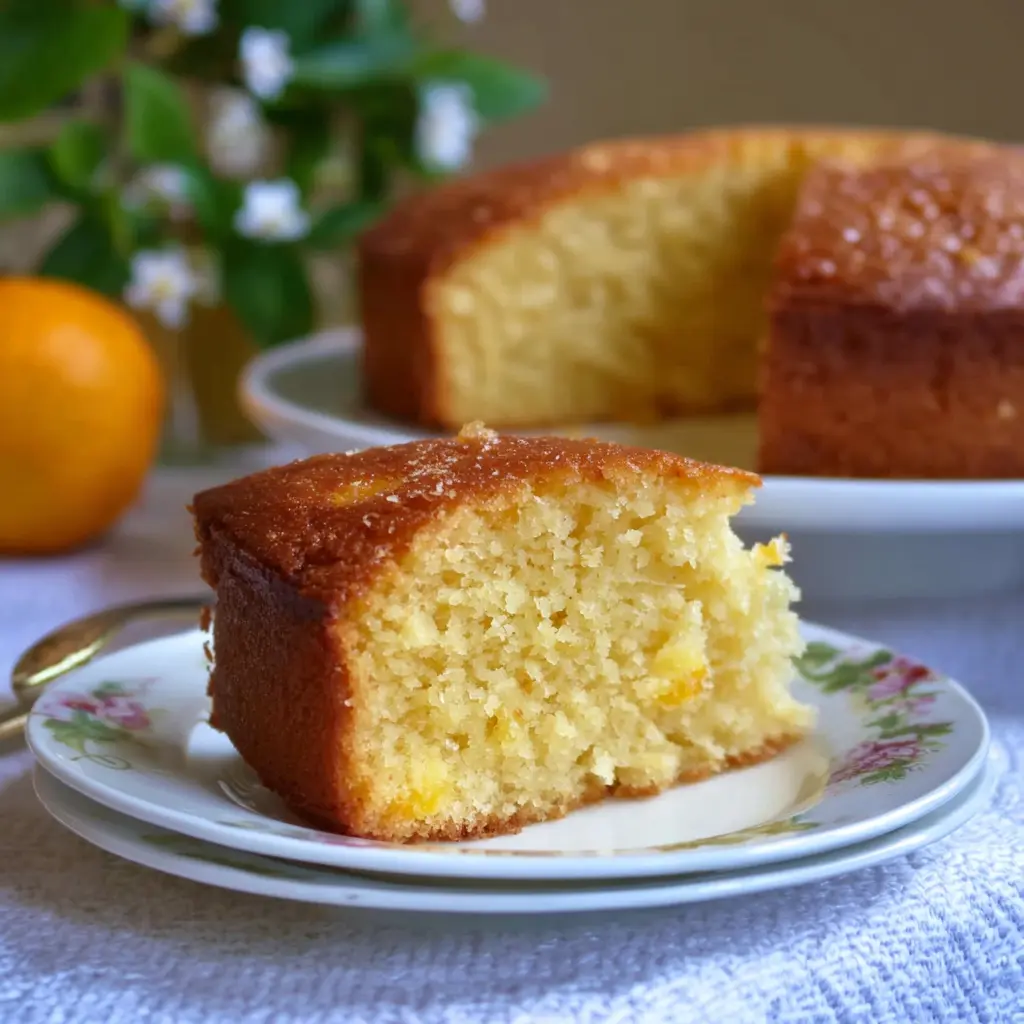

Sicilian Whole Orange Cake
Ingredients
Equipment
Method
- Preheat oven to 350°F (175°C)
- Make the whole orange cake
- Prepare an 8″ springform pan by greasing and lining the bottom in parchment paper (sides optional, if you want really clean sides), then grease the paper, too.
- Place the sugar and eggs in a large bowl and beat with a mixer until light and fluffy.
- Sift the flour with the baking powder or Paneangeli then add to the mixture in the bowl a little at a time along with the softened butter. Continue to mix until completely blended, then stir in the yogurt.
- In a food processor, process the whole orange until it is almost pureed.
- Add this orange to the cake mixture (along with the vanilla if you used plain baking powder) and stir until evenly combined, then put the batter into the prepared tin.
- Bake for 50-60 minutes (depending on your oven), but test with a cake tester or skewer to make sure the orange cake is done before removing from the oven. Allow to cool for about 15 minutes, then remove the side of the springform pan.
- Make the orange glaze
- Prepare the glaze by melting the sugar in the orange juice and allow to simmer for a few minutes, just until the liquid has a syrupy consistency.
- Spoon and brush over the top of the cake and allow to cool completely before cutting.
Notes
- I’ve received lots of emails and messages about the discrepancy in the measurements between metric and cups: THIS RECIPE WILL TURN OUT BEAUTIFULLY WHETHER YOU USE EITHER MEASUREMENT, which isn’t normally the case (I normally recommend metric as it’s more precise.)
- Measurements are NOT critical in this cake recipe. For some reason, it’s extremely forgiving.
- I do not line the sides of the pan, but for perfect results, you may.
- Thousands of reviews can’t be wrong.
- I’ve made this orange cake recipe in a loaf tin, and it’s perfect.
- I’ve also made it in a bundt tin and the amount of batter for one recipe makes a short bundt cake. If you want a full size bundt cake, make 1.5x the recipe.
- Yes, it’s hard to wait, but the moist orange cake will cut more easily if it’s cool first.
- When I published this recipe almost a decade ago, it was the ONLY WHOLE ORANGE CAKE RECIPE in ENGLISH online. My mother found it on an Italian website (which I credit.) This is the original in English.
Key Ingredients That Make It Special
Using the Whole Orange: Peel, Pith, and All
The beauty of a Sicilian Whole Orange Cake lies in its simplicity. Instead of zesting or juicing the orange, this recipe calls for using the entire fruit. That means the flesh, the peel, and even the pith all go into the batter. It sounds bold, but that’s exactly what gives the cake its unforgettable aroma and depth of flavor.
The trick is choosing the right orange. Look for one that’s organic, sweet, and fresh. Organic fruit is important because you’re keeping the peel, which often carries pesticides on conventionally grown produce. A navel or similar sweet variety works best. Simply wash it well, remove the seeds, and blend it into a thick, fragrant purée.
The orange peel adds a gentle bitterness that balances the cake’s sweetness. It also brings natural oils into the batter, which contribute to the moisture and richness of the final result. The pith, often discarded in other recipes, softens as it bakes and gives the cake its unique density. This isn’t just an orange-flavored cake. It’s a cake built entirely around the orange.
The Role of Pane Degli Angeli (or Alternatives)
If you’ve baked in an Italian kitchen, you’ve likely come across Pane Degli Angeli. This vanilla-scented baking powder is a staple in many European households. In this recipe, it does double duty giving the cake its light lift while adding a subtle vanilla background that complements the citrus beautifully.
But don’t worry if you can’t find Pane Degli Angeli locally. You can easily recreate the effect with two pantry staples: regular baking powder and pure vanilla extract. Simply use two and a half teaspoons of baking powder and add one teaspoon of vanilla. The key is to blend it well with the dry ingredients before adding to the wet batter.
Whether you go with the Italian original or the homemade version, the goal is the same. You want a cake that rises evenly, has a soft crumb, and fills your kitchen with the scent of oranges and vanilla as it bakes. When those elements come together, the result is unmistakable: the comforting flavor of a true Sicilian Whole Orange Cake.
Baking the Cake to Perfection
How to Mix the Batter Right
Getting the texture right in a Sicilian Whole Orange Cake starts with the basics. First, beat the eggs and sugar together until the mixture is pale and fluffy. This step adds air to the batter, helping the cake rise and giving it that soft, light texture. Don’t rush it. A full five minutes with a hand or stand mixer on medium speed usually does the trick.
Next, sift the flour together with the baking powder (or Pane Degli Angeli, if you’re using it). Sifting isn’t just an extra step it helps avoid clumps and ensures even distribution of the leavening agent. Then, gradually add the dry mixture to the egg and sugar base. Mix gently and consistently. You want the batter smooth, not overworked.
Now comes the softened butter. It should be creamy but not melted. This is what gives the cake richness and moisture without making it heavy. After the butter is blended in, fold in the yogurt. Greek yogurt or sour cream both work well, adding tang and tenderness.
Finally, stir in the pureed orange. At this point, your batter will smell incredible. The color will be golden and speckled with bits of peel. Everything should be evenly mixed, with no visible flour or lumps. Pour it into a prepared springform pan, smooth the top, and it’s ready for the oven.
Troubleshooting Texture and Doneness
Bake the cake at 350°F (175°C) for about 50 to 60 minutes. Ovens vary, so don’t go strictly by the timer. Instead, rely on the skewer test. Insert a clean toothpick or skewer into the center. If it comes out clean, the cake is ready. If there’s any wet batter, give it another few minutes and test again.
If your cake rises unevenly or cracks on top, that’s perfectly normal. This recipe is rustic, not fussy. A small crack can even be a helpful sign that the inside is cooking through. If your cake sinks in the middle after baking, it may have needed a few extra minutes. Be sure to check doneness in the center rather than just the edges.
Let the cake cool in the pan for 15 minutes before removing the sides. This helps it set and makes slicing easier later. The aroma at this stage will be intense. It’s tempting to cut into it right away, but a little patience pays off. Once it’s cool, the texture becomes firmer and the flavor deepens. And that first slice? Worth every step.
Finishing Touches That Elevate the Flavor
How to Make a Simple Orange Glaze
The cake is wonderful on its own, but a glaze made with fresh orange juice and sugar takes it to another level. It’s quick to make and adds both shine and an extra burst of citrus flavor. All you need is the juice from one large orange and a few tablespoons of sugar.
Pour the juice into a small saucepan and stir in the sugar. Let it simmer gently over low heat until the sugar dissolves completely and the liquid thickens slightly. You don’t want it too syrupy just enough to coat the back of a spoon. This usually takes about 3 to 5 minutes.
Once the cake has cooled for at least 15 minutes and the top is set, spoon the warm glaze slowly over the surface. Use a pastry brush to spread it evenly so it soaks in just a bit while still leaving a glossy finish. Let it sit undisturbed as it cools fully. This small step makes a big difference, bringing brightness to every bite without overpowering the cake.
Serving and Storing the Cake
Sicilian Whole Orange Cake tastes best once it’s completely cool. The crumb tightens slightly, making it easier to slice and serve. Use a serrated knife for clean edges. You can serve it plain or add a light dusting of powdered sugar for a classic touch. For a special occasion, top slices with a spoonful of lightly sweetened whipped cream or a few curls of orange zest.
The cake stays moist for days. Store it at room temperature in an airtight container or wrap it well in foil. It also freezes beautifully. Wrap individual slices in plastic and store them in a freezer bag. When you’re ready to enjoy another piece, just let it come to room temperature or warm it briefly in the oven.
This cake is ideal for brunch, dessert, or a midday treat with coffee. The flavor deepens the next day, making leftovers something to look forward to. Whether you serve it for guests or keep it for yourself, the Sicilian Whole Orange Cake is the kind of recipe that feels simple, special, and timeless all at once.

FAQ Section
What is a Sicilian whole orange cake made of?
It’s made with basic ingredients: eggs, sugar, flour, butter, Greek yogurt (or sour cream), baking powder, and one whole orange. The orange is used with its peel for deep, natural flavor. A simple orange juice and sugar glaze adds a fresh finish.
Can you use the entire orange in a cake, including the peel?
Yes. That’s what makes this cake so unique. As long as the orange is sweet, fresh, and organic, using the whole fruit (except the seeds) creates a moist, fragrant result without bitterness.
How do you make a moist orange cake from scratch?
The key is to beat eggs and sugar until fluffy, use whole orange puree, and mix in Greek yogurt or sour cream. The batter should be smooth and thick, and baking at the right temperature seals in moisture.
Can you substitute yogurt in an orange cake recipe?
Absolutely. Sour cream works just as well. Both add tang, richness, and softness to the cake without affecting its structure.
Conclusion
The Sicilian Whole Orange Cake proves that extraordinary flavor can come from the simplest ingredients. With one whole orange and a few pantry staples, you create a dessert that’s rich, tender, and filled with sunshine. Whether it’s your first time baking this or your fiftieth, each slice delivers a taste of Sicily and a little comfort, straight from the oven. Try it once and you’ll understand why this old-world recipe has stood the test of time.