
Intro
Few things make a kitchen feel warmer than the scent of fresh orange rolls. The air fills with a mix of citrus, sugar, and yeast that feels like sunlight in bread form. These tender rolls, swirled with orange zest and covered in a creamy glaze, bring a gentle brightness to breakfast or brunch. In this article, we’ll uncover what makes orange rolls unique, how they differ from their cinnamon cousins, where they originated, and how to make them soft and fragrant every time. You’ll learn the simple steps that turn basic dough into golden spirals of citrus comfort.
The Story Behind Orange Rolls
A Memory Wrapped in Citrus
The first time I made orange rolls, it wasn’t for a fancy holiday breakfast. It was a quiet Sunday, and my kitchen felt small but safe. I remember zesting oranges while my twins drew on the counter beside me. The smell filled the room, sharp and sweet, like promise. As the dough rose, I realized how something as simple as orange zest could lift an ordinary morning into something memorable. The finished rolls were soft and golden, brushed with a glaze that melted down their sides. I watched my kids pull them apart, steam curling up between their fingers. That moment stayed with me. It was joy made tangible.
Why Orange Rolls Became a Family Favorite
These rolls aren’t just breakfast. They’re a little tradition that signals comfort and celebration. Unlike cinnamon rolls, orange rolls carry a lighter sweetness. The zest and juice create a flavor that feels fresh and balanced instead of heavy. Over the years, I’ve tested dozens of versions, tweaking the filling, experimenting with zest-to-juice ratios, and even swapping ingredients for what I had on hand. The one constant was that bright orange aroma that always drew everyone to the kitchen before the timer even went off. Every bite still feels like sunshine you can taste.
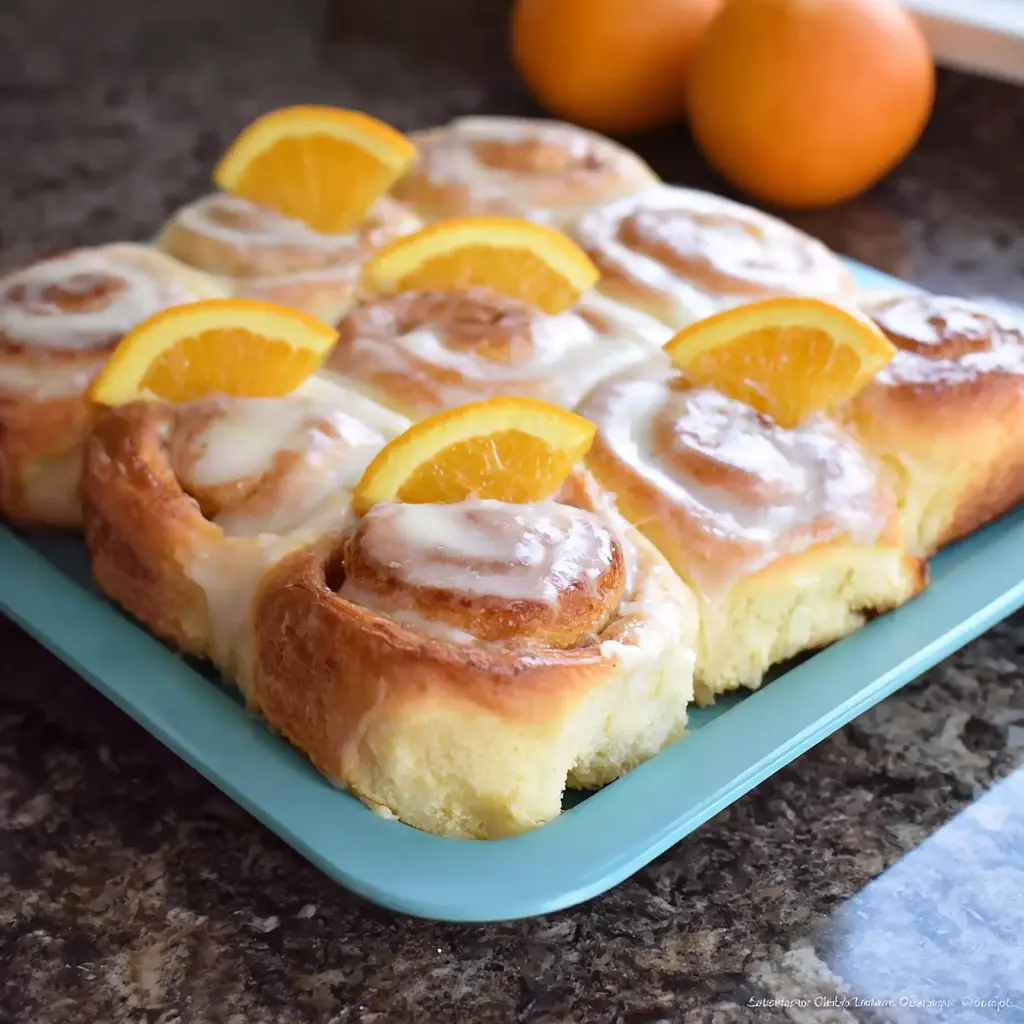

Orange Rolls
Ingredients
Method
- YEAST MIXTURE: Dissolve yeast and sugar in warm water. Stir and set aside.
- MILK MIXTURE: Scald milk on the stove or in the microwave. Add salt, sugar, and butter. Whisk until dissolved. Let cool.
- DOUGH: Combine potato flakes with the hot water. Should be smooth, but thick. Add a little extra water, if needed. Set aside.
- Beat egg and place in a stand mixer with the dough hook attachment. Add yeast mixture, milk mixture, and mashed potatoes. Gradually add flour. It will be a sticky dough, so don’t add too much more than the 4 cups of flour, but make sure that when it kneads it is moving around well. Knead 5-10 minutes.
- Empty the sticky dough into a greased bowl. Cover with a towel and let rest for 1 hour.
- ORANGE FILLING: While dough is rising combine the sugar, ginger, and orange zest in a bowl so the zest has a chance to flavor the sugar. Once the dough has risen, add just enough orange juice to the sugar mixture form a thick clumpy mixture like wet sand. (About ¼ cup orange juice.)
- Empty rested dough onto a floured surface. Sprinkle top with flour and pat dough flat. Using a floured rolling pin, roll dough into a rectangle, lifting the dough periodically to make sure it is not sticking to the countertop; dust with flour as necessary. Roll dough 1/2-inch thick; about 10×15-inches.
- Spread the dough evenly with 3 Tbsp of very soft, unsalted butter. Then spread the orange/sugar mixture over the top. Roll the dough up tightly, starting from the top, long edge to the bottom, long edge. Stretch and pull the dough taut as you roll, to keep the orange-sugar firm inside.
- Cut 12 rolls using floss or string. Place onto a greased baking sheet with ends inward to help keep from unrolling once they raise. Cover the rolls with a towel (I like to use a LIGHTLY damp towel) and let raise for another 30-60 minutes or until puffy and nearly doubled.
- Heat oven to 350 degrees Fahrenheit. Place risen rolls in the oven and bake for 20-25 minutes or until a thermometer inserted into a center roll reads 190 degrees Fahrenheit. (You may also check doneness by pressing the center — if it springs back, it’s done.)
- While rolls are baking prepare the GLAZE. In a medium-sized bowl, use a hand mixer to beat the cream cheese until light and fluffy. Add the powdered sugar, zest, and 2 Tbsp of orange juice. Blend until smooth and creamy. Top warm rolls with glaze. Serve while still warm.
Notes
- This recipe needs 2 oranges.
- 1 Orange = about 2 tsp zest & ½ cup juice
How to Make Orange Rolls From Scratch
Creating the Perfect Dough
Good dough begins with patience and warmth. Orange rolls need a soft, pillowy texture, and that comes from a careful blend of yeast, milk, and butter. Start by dissolving the yeast and sugar in warm water. Let it sit for about five minutes until foamy. This step gives your rolls that gentle rise and subtle sweetness.
Next, scald the milk until warm, not boiling. Whisk in butter, sugar, and salt until smooth. Once cooled, this mixture joins the yeast to create the base of your dough. Add the beaten egg, mashed potato flakes, and just enough flour to make a soft, slightly sticky dough that moves freely under the mixer’s hook.
After kneading for about ten minutes, place the dough in a greased bowl, cover it, and let it rest in a warm spot. During this quiet rise, the yeast works its magic, building flavor and structure. When doubled in size, the dough will feel springy and alive under your fingers.
Building the Orange Filling
While the dough rests, prepare the filling. In a small bowl, blend sugar, ginger, and orange zest. Let it sit for several minutes to draw out the oils from the zest, turning the sugar fragrant and golden. When the dough is ready, mix in just enough orange juice to create a sandy, spreadable mixture.
Roll the dough into a rectangle about 10×15 inches. Spread a thin layer of softened butter, then evenly cover with the orange-sugar mixture. Roll the dough tightly, stretching slightly as you go, and slice into twelve equal pieces using string or floss for clean cuts. Arrange them in a greased pan, cover lightly, and let rise again until puffy and nearly doubled.
This stage fills the kitchen with the scent of citrus and yeast — that unmistakable promise of something good. When baked, the sugar caramelizes at the edges, leaving each roll glossy and golden brown.
Baking and Glazing the Orange Rolls
Bringing the Rolls to Life in the Oven
After the second rise, the rolls should look soft and airy. Each spiral will have expanded, holding that fragrant orange sugar between its layers. Preheat your oven to 350 degrees Fahrenheit. This temperature allows the rolls to bake evenly and develop a golden surface without drying out.
Place the tray on the center rack and bake for about 20 to 25 minutes. The tops will turn light amber, and the edges will caramelize slightly where the sugar has melted. You’ll know they’re ready when a thermometer inserted into the center of one roll reads 190 degrees Fahrenheit. If you don’t have a thermometer, press lightly on the center roll. If it springs back, they’re done.
The smell is incredible. It’s the kind of scent that pulls people from other rooms. The combination of orange, butter, and warm yeast fills the air and makes it impossible to wait for the glaze. Still, give the rolls a few minutes to rest before spreading it on top. This allows the steam to settle and the glaze to coat perfectly without melting off too fast.
Making the Orange Cream Cheese Glaze
In a medium bowl, beat the cream cheese until light and smooth. Add powdered sugar, orange zest, and two tablespoons of fresh orange juice. The goal is a silky glaze that spreads easily but still holds a little shape. Taste and adjust with a drop more juice if you like it thinner.
Once the rolls are warm but not hot, spoon the glaze over each one. The cream cheese adds a touch of tang that balances the sweetness beautifully. The orange zest in the glaze boosts the citrus aroma and gives the surface a subtle shine. Every roll becomes glossy and soft, like a sweet little cloud with a sunlit flavor.
If you prefer a lighter topping, drizzle instead of spreading. Either way, each bite melts gently with notes of cream, butter, and orange zest. It’s simple comfort made elegant.
Serving, Storing, and Understanding Orange Rolls
Serving Orange Rolls at Their Best
Orange rolls taste best warm, when the glaze is just beginning to set and the dough feels soft and tender. They pair beautifully with black coffee, vanilla tea, or a glass of cold milk. For gatherings, place them on a platter with slices of fresh orange for a bright touch.
If you’re making them ahead, bake the rolls the night before but wait to glaze until morning. Reheat in a low oven for five minutes, then spread the glaze so it melts slightly and shines. The flavor will be just as vivid, and the texture stays wonderfully fluffy.
How to Store and Reheat
To store, keep the rolls in an airtight container at room temperature for up to two days. For longer freshness, refrigerate them for up to five days or freeze for one month. Reheat individual rolls in the microwave for 10–15 seconds or in a 300°F oven for about five minutes.
Avoid glazing before freezing. Instead, add the glaze once they’re thawed and warmed to preserve the smooth, creamy texture. These rolls reheat beautifully, staying soft with that same orange-scented sweetness.

FAQs
What is an orange roll?
An orange roll is a soft, yeast-based sweet roll filled with orange zest, sugar, and butter. It’s finished with a tangy orange cream cheese glaze that adds both sweetness and brightness.
What’s the difference between orange rolls and cinnamon rolls?
Orange rolls have a citrus filling made from orange zest and juice, while cinnamon rolls use a spiced sugar mixture. The flavor of orange rolls is lighter and more refreshing.
Where do orange rolls come from?
Orange rolls originated in the southern United States, where cooks added citrus to traditional sweet roll recipes to create a lighter, fruit-forward twist on the classic cinnamon roll.
What does an orange roll taste like?
An orange roll tastes soft, buttery, and slightly tangy. The zest gives a bright flavor, while the cream cheese glaze adds a smooth sweetness that melts into every layer.
Conclusion
There’s a reason orange rolls hold a special place on breakfast tables. Their bright flavor, tender crumb, and creamy glaze turn an ordinary morning into something memorable. Whether you bake them for a weekend brunch or a quiet morning at home, these rolls capture the simple joy of baking the kind that fills your kitchen with warmth and sweetness. Once you’ve made them, you’ll understand why they never last long.