
Introduction
The scent of oranges has a way of brightening a whole kitchen. It feels cheerful, alive, and warm. This orange loaf cake captures that feeling perfectly. Each bite is soft, moist, and filled with the flavor of fresh orange juice and zest. The Greek yogurt gives it richness, while olive oil keeps it tender for days. Whether you serve it with tea in the afternoon or share it after dinner, this cake brings the taste of sunshine to your table. Today, we’ll make it step by step so you can enjoy this easy, citrus-scented loaf at home.
The Story Behind the Orange Loaf Cake
A Morning That Smelled Like Sunshine
The first time I baked this orange loaf cake, it was one of those gray mornings that needed a little brightness. I had a few ripe oranges in the fruit bowl and just enough yogurt left in the fridge. The idea came quietly: something simple, fragrant, and comforting. I whisked the zest into sugar and watched it turn pale gold, releasing that clean, floral aroma that always reminds me of spring. When the loaf came out of the oven, the air filled with a soft sweetness that lingered for hours. It became one of those recipes that stay in your kitchen forever.
Why This Loaf Works Every Time
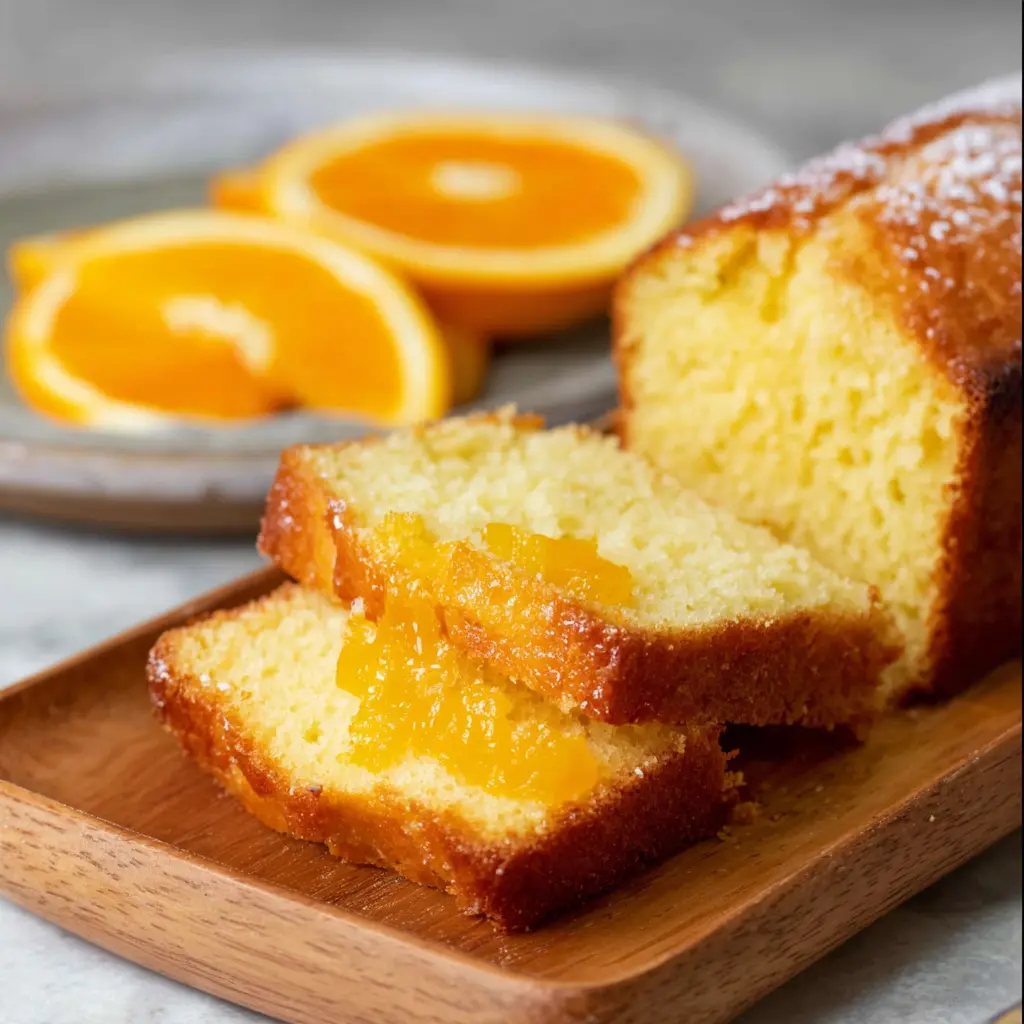
This orange loaf cake doesn’t need complicated steps or fancy tools. The ingredients are basic, but the balance is what makes it special. The yogurt gives the batter a rich, creamy texture, while the olive oil keeps it light. The zest adds brightness, and the fresh juice makes the flavor clean and natural. The result is a golden loaf with a soft crumb that stays moist for days. It’s the kind of cake that feels homemade in the best possible way — humble, aromatic, and deeply satisfying.


Orange Loaf Cake
Ingredients
Method
- Preheat the oven to 350. Grease and flour an 8.5 x 4.5 inch loaf pan.
- In a medium bowl, whisk together the flour, baking powder, and salt.
- In a large bowl, combine yogurt, sugar, eggs, orange zest, orange juice, and vanilla. Whisk in the olive oil.
- Add the dry ingredients to the yogurt mixture and stir to combine. Do not over-mix.
- Pour the batter into the loaf pan and bake in the preheated oven for 50-55 minutes until the top is deep golden brown and a toothpick inserted in the center comes out clean.
- Let cool in the pan for about 20 minutes and then transfer to a wire rack to cool completely. Dust with powdered sugar if desired, or drizzle with optional glaze (see recipe notes).
Notes
Mixing and Baking the Perfect Orange Loaf Cake
Creating the Batter
The beauty of this orange loaf cake lies in how quickly it comes together. You don’t need special equipment, just a couple of bowls, a whisk, and a little patience. Begin by preheating your oven to 350°F and greasing a loaf pan. Dust it with a light coat of flour so the cake releases easily after baking.
In one bowl, whisk together the flour, baking powder, and salt. This keeps your cake light and ensures even rising. In another bowl, combine the yogurt, sugar, eggs, orange zest, orange juice, and vanilla extract. Whisk until smooth. As the zest blends into the sugar, you’ll notice the fragrance grow stronger — that’s when you know it’s going to taste wonderful.
Slowly pour in the olive oil while whisking to create a glossy batter. The oil adds richness and helps the loaf stay soft for days. Next, fold in the dry ingredients gently. Avoid overmixing so your loaf stays tender. The batter should look thick but pourable, smooth with tiny flecks of zest throughout.
Pour it into your prepared pan and smooth the top with a spatula. That moment before baking, when the batter glows pale yellow, always feels full of promise.
Baking to Golden Perfection
Bake for 50 to 55 minutes. The loaf will rise evenly, turning deep golden brown. To test doneness, insert a toothpick into the center. If it comes out clean, the cake is ready. The top should have a gentle crack that reveals its soft, tender crumb.
Let the cake cool in the pan for 20 minutes before moving it to a wire rack. That short wait helps it set and keeps it from breaking. The air will fill with the scent of orange, warm sugar, and vanilla — a fragrance that feels like comfort itself.
Once completely cool, dust with powdered sugar or add a glaze for an extra touch of sweetness. The glaze drips beautifully down the sides and adds a light sheen that makes the cake irresistible.
Glazing, Serving, and Enjoying Your Orange Loaf Cake
Making the Optional Orange Glaze
A good glaze adds the finishing touch to this cake. It’s simple to make and brings out the citrus flavor even more. In a small bowl, whisk together one cup of icing sugar and two to three tablespoons of freshly squeezed orange juice. The mixture should be smooth and glossy. If it feels too thick, add a little more juice until it reaches a drizzling consistency.
Once the loaf has cooled completely, drizzle the glaze over the top in slow, even lines. Let it rest for a few minutes so the glaze can set. The result is a soft sheen that catches the light beautifully, making the cake look bakery-ready. It’s sweet but not too sweet, the perfect balance to the bright orange notes inside.
If you prefer something simpler, skip the glaze and dust the loaf with powdered sugar. The sugar melts slightly into the surface, giving a soft sparkle that looks just as inviting.
Serving and Storing the Cake
Slice the orange loaf cake into thick, even pieces. It’s wonderful on its own, but you can also serve it with fresh berries, vanilla ice cream, or a dollop of whipped cream. The cake tastes even better the next day as the flavors settle and deepen.
To store, keep the loaf in an airtight container at room temperature for up to three days. If you refrigerate it, let it come to room temperature before serving. You can also freeze it for up to a month. Just wrap it tightly and thaw overnight before enjoying.
FAQs
What is an orange roll?
An orange roll is a sweet, citrus-flavored pastry made with orange zest and juice. Unlike a cake, it’s usually a soft yeast-based roll served warm and glazed.
What’s the difference between orange rolls and cinnamon rolls?
Orange rolls use zest and orange juice for flavor, while cinnamon rolls rely on spiced sugar filling. The result is lighter, fruitier, and less rich.
Where do orange rolls come from?
Orange rolls are a Southern classic, popularized as a lighter alternative to cinnamon rolls. They’re often made during holidays or Sunday brunches.
What does an orange roll taste like?
They taste buttery, soft, and bright with the natural sweetness of oranges. This cake version carries the same flavor but with a tender crumb and a hint of tang from yogurt.
Conclusion
The orange loaf cake is the kind of dessert that fits any moment. It’s simple to make, full of flavor, and always leaves the kitchen smelling beautiful. The Greek yogurt keeps it moist, while the zest and juice create a clean, citrus flavor that feels both fresh and cozy. Whether you bake it for family, guests, or a quiet morning treat, this cake brings warmth to the table in every slice..