
The first time I made Greek yogurt bagels, I wasn’t expecting much. I’d run out of yeast and wanted something warm, chewy, and carb-filled without a trip to the store. I had flour. I had baking powder. And I had a tub of Greek yogurt in the fridge. So I tried it. What came out of the oven wasn’t just a backup plan—it was one of the easiest and most satisfying bakes I’d ever made.
These bagels are soft inside, golden outside, and packed with just enough chew to feel like the real deal. No boiling. No rising. Just mix, shape, and bake. Whether you’re looking for a healthier option, a quick breakfast, or something fun to make with kids, these yogurt bagels check all the boxes.
Why Greek Yogurt Bagels Deserve a Spot in Your Kitchen
The first time I swapped yogurt for yeast
Like a lot of people, I used to think bagels needed yeast, hours of proofing, and a big pot of boiling water. But that changed when I tried a simple dough using Greek yogurt. I’d seen versions floating around online and figured I’d give it a shot. What surprised me most wasn’t just how well they turned out, but how fun they were to make. In under 30 minutes, the kitchen smelled like a bakery and I had bagels cooling on the counter.
This recipe quickly became a go-to. It’s not about replacing traditional bagels. It’s about having a quicker, easier option that tastes great and works with what you already have. You can mix the dough by hand, shape it however you like, and bake it in a standard oven.
Fast, flexible, and freezer-friendly
Greek yogurt bagels aren’t just fast. They’re forgiving. The dough comes together easily and handles well with a bit of flour. If you want to add cinnamon, cheese, or even chocolate chips, you can. These bagels also freeze beautifully. Make a batch on the weekend, store a few in the freezer, and you’ve got fresh bagels on demand any day of the week.
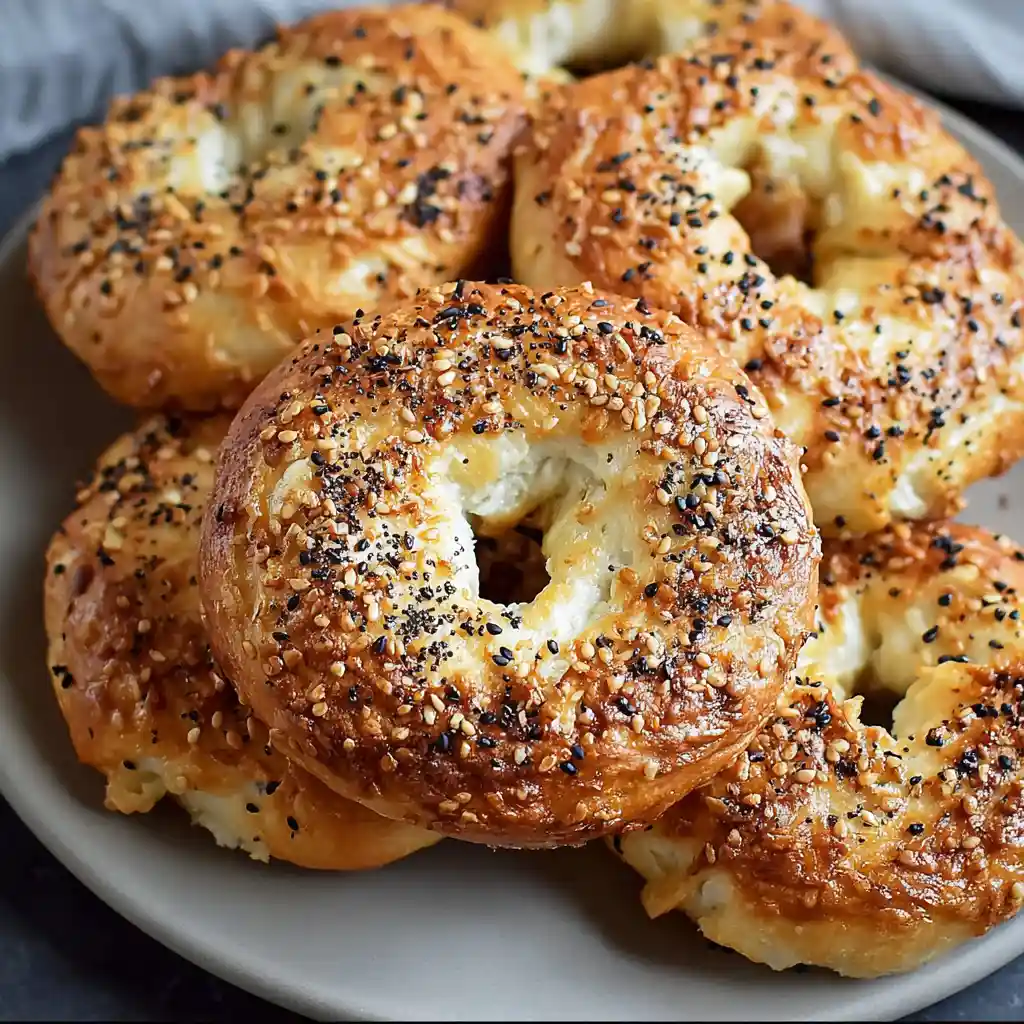

Greek Yogurt Bagels
Ingredients
Method
- Preheat & Prep: Preheat oven to 400°F (200°C). Line a baking sheet with parchment paper or a silicone baking mat.
- Mix Dry Ingredients: In a large bowl, whisk together flour, baking powder, and salt. If making cinnamon bagels, add 2 tsp cinnamon.
- Incorporate Yogurt: Stir in Greek yogurt using a spatula until a dough forms. Then, knead it together with your hands.
- Shape the Bagels: Lightly flour a work surface. Divide the dough into 4 equal portions. Roll each into a ball, slightly flatten, and create a hole in the center using a spoon handle or by rolling into a log and connecting the ends.
- Egg Wash & Toppings: Whisk the egg and brush each bagel with it. Sprinkle with your preferred toppings.
- Bake: Arrange bagels on the prepared baking sheet and bake for 22-25 minutes, until golden brown on top.
- Cool & Serve: Let them cool before slicing and serving. Enjoy!
Notes
Mixing with your hands is quicker than using a spatula.
Store on the counter for 2 days, in the fridge for 1 week, or freeze for up to 2 months.
What Makes Greek Yogurt Bagels Work
The secret is in the yogurt
Greek yogurt might seem like an odd bagel ingredient at first, but it’s the reason this recipe works so well. The thick texture helps bind the dough without needing eggs or oil. It brings moisture to the mix while keeping things light and chewy. And because Greek yogurt is strained, it doesn’t water down the dough the way regular yogurt would.
The protein in the yogurt also helps give these bagels structure. As the dough bakes, the yogurt helps it hold its shape, rise slightly, and stay soft inside. The natural tang from the yogurt balances nicely with toppings like everything seasoning, cinnamon, or shredded cheese.
You’ll want to use a thick, non-watery yogurt for the best results. If your yogurt seems loose, strain it with a paper towel over a colander for 10 minutes before mixing. A firm, creamy yogurt helps create the best texture and makes the dough easier to knead and shape.
No yeast, no boil, no problem
Traditional bagels require yeast for rising and a water bath to get that signature crust. These skip both and still turn out golden and satisfying. Instead of yeast, baking powder does the lifting here. It reacts immediately when mixed with moisture and heat, so there’s no need to wait for the dough to rise.
No boiling also simplifies the process. With the right oven temperature and an egg wash on top, the bagels still come out with a crisp finish and warm, chewy centers. You don’t miss the extra steps because the flavor and texture deliver.
By stripping the process down to just a few ingredients, Greek yogurt bagels stay approachable, even for new bakers. And the result? A bagel that feels like you spent way more time on it than you actually did.
How to Make Greek Yogurt Bagels Step-by-Step
Mix, knead, shape, and bake
Making Greek yogurt bagels is quick and straightforward. Start by preheating your oven to 400°F and lining a baking sheet with parchment paper or a silicone baking mat. This keeps the bagels from sticking and helps them bake evenly.
In a large bowl, whisk together 1 cup of all-purpose flour, 2 teaspoons of baking powder, and 1/4 teaspoon of salt. If you’re going for cinnamon bagels, add 2 teaspoons of cinnamon here. Once the dry ingredients are combined, stir in 1 cup of thick Greek yogurt using a spatula. The dough will look crumbly at first but will start to come together.
Next, use your hands to knead the dough right in the bowl or on a floured surface. Knead until it forms a smooth, tacky ball that doesn’t stick heavily to your fingers. If it’s still too sticky, sprinkle in a little more flour.
Divide the dough into 4 equal parts. You can either roll each piece into a log and connect the ends to form a circle or shape it into a ball and poke a hole through the center. Flatten each slightly to help them bake more evenly.
Whisk an egg and brush it over the tops of each bagel. This gives them a golden shine and helps any toppings stick.
Place the bagels on the prepared baking sheet and bake for 22 to 25 minutes, or until the tops are golden brown and the bottoms are lightly crisp.
Toppings that take these bagels to the next level
This dough is like a blank canvas. You can go sweet, savory, or somewhere in between. For classic flavor, try everything bagel seasoning, sesame seeds, or dried garlic and onion flakes. If you like a sweeter twist, sprinkle with cinnamon sugar or fold in mini chocolate chips before shaping.
For a cheesy version, press shredded cheddar or mozzarella on top after brushing with egg. You can even mix herbs like rosemary or thyme into the dough for a more gourmet spin.
Tips, Storage, and Custom Variations
Bagel troubleshooting for beginners
Even though this recipe is simple, a few small tweaks can make a big difference. If your dough feels too sticky to handle, don’t panic. Add extra flour a tablespoon at a time and knead gently until it firms up. It should feel tacky, not wet. On the other hand, if it feels dry or cracks while shaping, try kneading in a teaspoon of yogurt to bring back some moisture.
If your bagels come out pale, make sure your oven is fully preheated. An egg wash also helps with color and shine. Brush the tops evenly and don’t skip this step unless you’re avoiding eggs.
Flat or dense bagels often come from under-measuring the flour or using thin yogurt. A thick Greek yogurt is essential for the dough to hold shape and rise slightly. Brands like Stonyfield or Fage tend to work well because of their dense texture.
For a more even bake, make sure your bagels are shaped the same size and thickness. And give them a few minutes to cool before slicing—this helps the interior finish setting and prevents tearing.
How to store, freeze, and reheat with no soggy texture
Once your bagels have cooled completely, store them in an airtight container at room temperature for up to 2 days. If you want them to last longer, keep them in the refrigerator for up to 7 days. To refresh them, slice and toast for a warm, crisp bite.
To freeze, place the cooled bagels in a single layer on a tray and freeze for 30 minutes. Then transfer them to a freezer-safe bag or container. They’ll keep well for up to 2 months. When you’re ready to enjoy one, toast straight from frozen or let it thaw for 15 minutes first.
Want to change up the base? Whole wheat flour can replace half or all of the all-purpose flour. Just expect a slightly denser texture and a nuttier flavor. For a gluten-free version, use a 1-to-1 gluten-free flour blend and make sure your baking powder is gluten-free too.

Frequently Asked Questions About Greek Yogurt Bagels
Are Greek yogurt bagels healthy?
Greek yogurt bagels are a lighter alternative to traditional bagels. They are lower in fat and calories because they skip oil, butter, and yeast. Greek yogurt adds protein, which helps keep you full longer, and if you use whole wheat flour or a gluten free blend, you can tailor them to your dietary needs. Just keep in mind that toppings like cheese or sweet glazes can add extra calories.
What do Greek yogurt bagels taste like?
These bagels have a mild, slightly tangy flavor from the yogurt. They are soft inside with a crisp golden crust, and the texture is somewhere between a biscuit and a traditional bagel. The flavor is neutral enough to pair with both sweet and savory toppings. Add cinnamon, cheese, or everything seasoning to make each batch taste totally different.
Can I make Greek yogurt bagels with whole wheat flour?
Yes. Whole wheat flour works well in this recipe, especially if you use a 50/50 mix with all purpose flour. Using 100 percent whole wheat will make the bagels denser and slightly nutty in flavor. To balance this, add a splash more yogurt if the dough feels dry and keep an eye on bake time so they do not overbake.
Do Greek yogurt bagels need yeast?
No yeast is required for this recipe. Baking powder acts as the leavening agent, giving the bagels a soft rise in the oven. This shortcut saves time and makes the recipe more approachable for beginners. You do not need to wait for the dough to rise or go through a boiling step. It is mix, shape, and bake, all in under 30 minutes.
Conclusion: Greek Yogurt Bagels Are the Shortcut You’ll Keep Coming Back To
Greek yogurt bagels prove that you don’t need a long ingredient list or hours in the kitchen to enjoy fresh, homemade bread. With just a handful of pantry staples and no yeast required, these bagels come together fast and bake up beautifully. They’re soft on the inside, golden on top, and endlessly customizable to suit your cravings—sweet, savory, or somewhere in between.
Whether you’re baking for breakfast, prepping snacks for the week, or just want to try something new, this recipe fits right into a busy schedule. Once you make them, it’s hard not to keep a batch on hand. From freezer to toaster, these bagels are all about flexibility, flavor, and comfort made simple.