
Introduction
Easy creamy lemon pasta is the kind of dish that surprises you. It looks simple, but every bite delivers a blend of bright citrus and rich cream that feels indulgent without being heavy. The sauce is smooth and velvety with just the right kick of lemon, making it ideal for spring dinners, cozy nights in, or quick comfort food. With pantry staples and less than 30 minutes, you’ll have a meal that tastes far more complex than the ingredients suggest. In this article, we’ll walk through each step and show you how to get the balance just right—every time.
The Beauty of Simplicity in Easy Creamy Lemon Pasta
What makes this pasta so satisfying
This dish stands out because it blends two contrasting ideas—bright and creamy. Most creamy pastas lean heavily into richness, but the lemon here adds freshness that cuts through the fat. You get something that feels cozy and light all at once. It’s this balance that makes it so memorable.
Lemon zest and juice wake up the entire sauce. They pair perfectly with parmesan and garlic, giving the recipe flavor without requiring dozens of ingredients. Butter, cream, and a bit of broth create a soft, silky base. A quick whisk pulls everything together into a sauce that hugs each piece of pasta.
Best of all, it doesn’t demand prep or chopping beyond a single garlic clove and a lemon. That’s why this pasta often ends up on the table on weeknights when energy is low but you still want something delicious. It’s just fancy enough to feel special without extra effort.
Why lemon and cream work so well together
Lemon in pasta can be tricky. Too much acidity and the cream may curdle. That’s why this recipe uses heavy cream only and keeps the heat controlled. With the right balance, the lemon brightens the dish and enhances the richness of the dairy instead of clashing with it.
This pairing also opens the door to a lot of add-ins. From grilled chicken to spinach or asparagus, lemon cream sauce complements without overwhelming. But even on its own, it’s complete. A little zest, a splash of juice, and a swirl of cream turn basic pasta into something you’ll crave again and again.
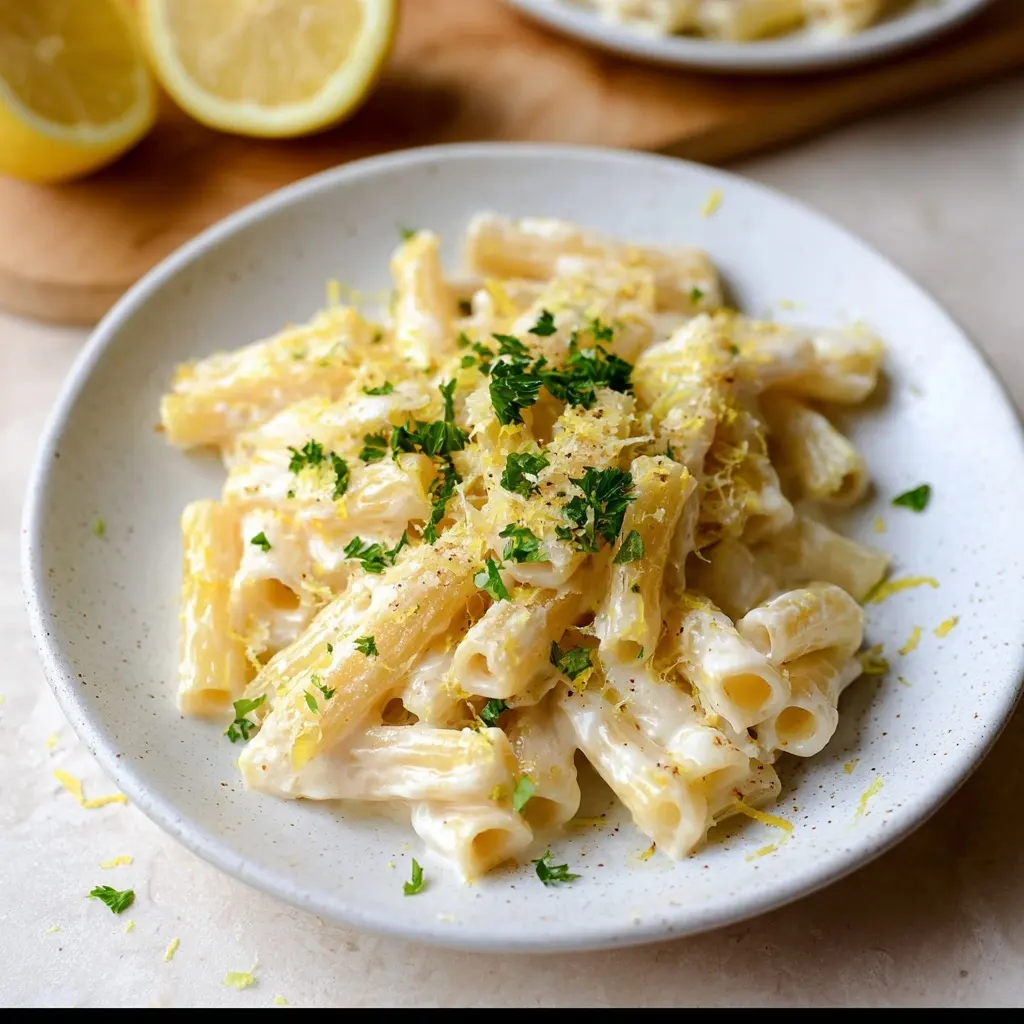

Creamy Lemon Pasta
Ingredients
Method
- Boil a salted pot of water for the pasta and cook it al dente according to package directions.
- When the pasta is about 10 minutes away from being done, add the butter to a skillet over medium-high heat. Once it melts, sprinkle the flour in and cook for 1-2 minutes, stirring fairly often.
- Add in the garlic, followed by the broth (or wine) and lemon juice + zest. Let it bubble for 1 minute.
- Whisk in the cream and cook it for a few minutes until the sauce has thickened up to your liking.
- Stir in the parmesan cheese and take the skillet off the heat. Season with salt & pepper as needed (I am generous with both).
- Add the drained pasta to the skillet and toss until coated (I like to add a tablespoon or so of the pasta water to the sauce prior to draining it, especially if it’s become a tad too thick). Garnish with more parmesan and a bit of chopped parsley if desired. Serve immediately.
Notes
- This pasta makes 4 reasonably-sized portions with plenty of sauce, but if you’ve got really hungry people and you’re not serving it with anything else, I would double the recipe. Serves 2-4 depending on how much people eat.
- I do NOT recommend subbing the heavy cream for anything with a lower fat content (e.g. half-and-half or milk) because the lemon in the sauce is very likely to curdle it, and you’ll have to add more flour to thicken the sauce.
Step-by-Step Guide to Making Easy Creamy Lemon Pasta
Simple ingredients, big results
Here’s what you’ll need:
- 8 ounces of pasta (penne or rigatoni work well)
- 2 tablespoons butter
- ½ tablespoon flour
- 1 garlic clove, minced
- ¼ cup broth or dry white wine
- Juice from half a lemon + zest
- 1 cup heavy cream
- ⅓ cup grated parmesan cheese
- Salt and pepper to taste
- Optional parsley and extra cheese for garnish
Start by boiling a pot of salted water and cook the pasta until al dente. Drain it, but before that, save about ¼ cup of pasta water in case the sauce needs thinning later.
While the pasta cooks, melt the butter in a skillet over medium heat. Whisk in the flour to form a light roux. Stir frequently for 1 to 2 minutes to cook out the raw flour taste.
Next, add in the garlic. Let it cook for about 30 seconds until fragrant. Pour in the broth or wine and lemon juice with zest. Let the mixture bubble for a minute to reduce slightly and build flavor.
Creating a smooth, lemony sauce
Turn the heat down to medium-low. Slowly whisk in the heavy cream. Let it cook for several minutes until it begins to thicken. Keep it just below a boil. Stir in the parmesan until melted and smooth.
Now season with salt and freshly ground pepper. The sauce should be silky and coat the back of a spoon. If it’s too thick, a splash of pasta water will help loosen it.
Finally, toss the pasta into the sauce. Stir gently to coat every piece. Finish with parsley and extra parmesan on top. Serve immediately for best flavor and texture.
Variations and Easy Add-ins for Lemon Pasta
How to change it up without losing the flavor
This pasta is great as-is, but you can build on the base for something a little different. Add-ins and toppings turn it from a simple side dish into a full dinner.
For protein, grilled chicken, sautéed shrimp, or seared scallops are excellent with lemon cream. These all cook quickly and pair beautifully with the citrus-forward sauce. If you want a vegetarian option, white beans or sautéed mushrooms add heartiness without overpowering the delicate flavors.
For extra color and nutrition, stir in spinach or arugula at the end. They wilt in seconds and add a fresh, peppery bite. You could also add roasted vegetables like zucchini, asparagus, or cherry tomatoes. These play off the lemon and give the dish more dimension.
Want a little crunch? Toasted pine nuts or breadcrumbs sprinkled on top before serving offer great contrast.
Ingredient swaps and special touches
You can swap rigatoni or penne for spaghetti, farfalle, or fusilli—just pick a shape that holds onto sauce. If you want more citrus flavor, increase the zest slightly, but avoid too much juice or the sauce may get too tangy.
Use freshly grated parmesan, not pre-shredded. It melts better and blends smoothly into the sauce. If you don’t have parmesan, romano is a good backup, though it’s a bit sharper.
Always use real heavy cream. Half-and-half or milk won’t hold up to the lemon and can curdle. That creamy texture depends on fat content and careful heat control.
With these variations, you’ll never get tired of this dish. It’s endlessly customizable, always delicious, and still easy to pull off in under 30 minutes.
Serving Tips, Leftovers, and FAQs
How to serve lemon pasta for best results
This pasta is best served fresh. The sauce clings to hot pasta and stays creamy right out of the pan. If you’re serving guests, finish it with a little extra lemon zest and cracked pepper for presentation.
Pair it with a light salad dressed with vinaigrette to balance the richness. Garlic bread or roasted asparagus also make great side options without overpowering the dish.
You can portion it into bowls and garnish with parsley, or serve it straight from the pan for a rustic, cozy feel.
Storing and reheating leftovers
Let the pasta cool fully before storing. Place it in an airtight container and refrigerate for up to 3 days. When reheating, use low heat and add a splash of cream or milk to bring the sauce back to life. Stir gently to prevent the cheese from separating.
Freezing is not recommended. Cream-based sauces can separate and lose their texture once thawed.
Frequently Asked Questions
How do you keep lemon cream pasta from curdling?
Use only heavy cream and keep the heat at medium or lower. Whisk slowly and avoid boiling once the cream is added so the sauce stays smooth and silky.
Can I make creamy lemon pasta without parmesan?
Yes, but parmesan adds flavor and texture. You can use romano or a mix of hard, aged cheeses, but avoid soft or pre-shredded cheeses that do not melt smoothly.
Is lemon pasta too sour?
No. The cream balances the lemon juice, and the zest adds brightness without extra acid. If it tastes too tangy for you, reduce the lemon slightly or stir in more parmesan to round it out.
Can I use milk instead of cream?
No. Milk does not have enough fat to stabilize the sauce and will likely curdle when mixed with lemon. Heavy cream is essential for the right texture, flavor, and stability.
Conclusion
Easy creamy lemon pasta is light, bright, and unbelievably satisfying. It’s everything you want in a simple pasta dish—quick to make, full of flavor, and made from ingredients you already have. The lemon and cream work together to create a balanced sauce that feels elegant but comes together in minutes. Whether you’re cooking for one or feeding your family, this is a recipe you’ll reach for again and again. Just one bite and it becomes part of your regular rotation.